logo


10th Mar, 2020

Laws limiting foreign residents’ ability to claim the CGT main residence exemption are now in place. This means that if you’re a foreign resident for tax purposes at the time you sign a contract to sell a property that was your main residence, you may be liable for tens of thousands of dollars in CGT. Some limited exemptions apply for “life events”, as well as property purchased before 9 May 2017 and disposed of before 30 June 2020.
According to the ATO, a person’s residency status in earlier income years will not be relevant and there will be no partial CGT main residence exemption. Therefore, not only are current foreign residents affected, but current Australian residents who are thinking of spending extended periods overseas for work or other purposes may also need to factor in this change to any plans related to selling a main residence while overseas.
12th Feb, 2020

In 2018, the ATO issued a controversial draft ruling which took a very strict stance on the four-year time limit for claiming input tax credits and fuel tax credits. The ruling had been used by the ATO to deny input tax credits and fuel tax credits where the Commissioner of Taxation made a decision outside the four-year period on an objection or amendment request, even where the objection or request was made within the period. However, a recent observation by a judge ruling on a related matter has put the ATO’s strict stance in doubt and as a result the ruling (Draft Miscellaneous Taxation Ruling MT 2018/D1) has been withdrawn.
Where the Commissioner makes a decision on an objection or requests for amendment in relation to input tax credits and/or fuel tax credits outside the four-year period but the initial objection or amendment request was lodged within the time limit, the taxpayer will no longer be automatically denied the credits in situations where the decision is in the taxpayer’s favour.
As a result, any taxpayer that the draft ruling has affected is encouraged to contact the ATO.
12th Feb, 2020
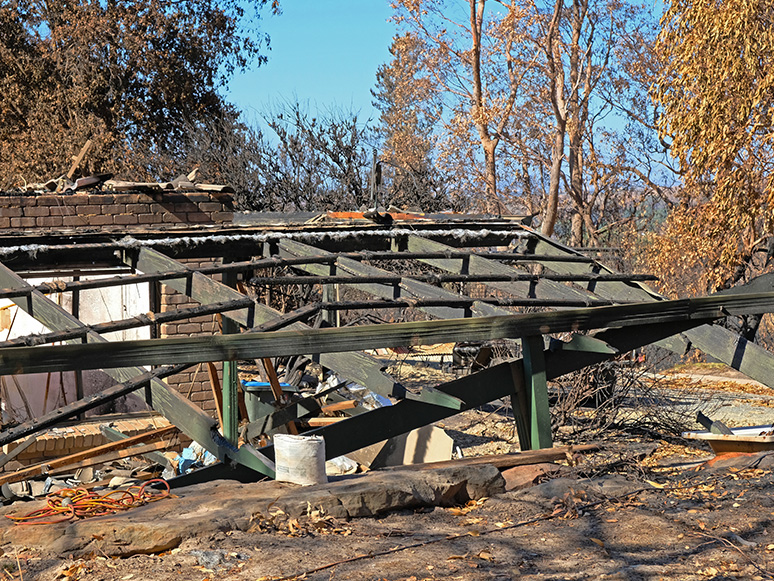
On 20 January 2020 the ATO announced an extension of the tax assistance package for people impacted by the 2019–2020 bushfires in New South Wales, Victoria, Queensland, South Australia and Tasmania.
Commissioner of Taxation Mr Chris Jordan said the 3.5 million businesses, individuals and self managed super funds (SMSFs) in the impacted local government areas will have until 28 May 2020 to lodge and pay BAS and income tax returns. This additional time is on top of the two-month extension previously granted.
Additionally, the ATO said it will fast-track any refunds that are due to taxpayers in the impacted regions. For example, businesses expecting a refund as a result of GST credits due to large purchases to replace stock are encouraged to lodge their activity statements at the first opportunity. The ATO will also remit any interest and penalties applied to tax debts since the commencement of the bushfires.
12th Feb, 2020

In response to the recommendations of the Banking and Financial Services Royal Commission and the ASIC Enforcement Review Taskforce Report, the government has proposed new enforcement and supervision powers for ASIC to restore consumer confidence in the financial system, particularly in relation to financial advice. These new powers include enhanced licensing, banning, warrant and phone tap powers, all designed to ensure that avoidable financial disasters uncovered during the Royal Commission are not repeated again.
While the Banking and Financial Services Royal Commission seems long ago in the minds of many, the people who have been financially affected by dubious practitioners will no doubt carry the scar of mistrust for life. This is precisely why the government has introduced new laws which will give ASIC new enforcement and supervision powers in relation to the financial services sector: to weed out the “bad apples” and restore consumer confidence.
12th Feb, 2020

The ATO has recently expanded its Tax Avoidance Taskforce activity to include top 500 private groups, high wealth private groups, and medium and emerging private groups.
The Tax Avoidance Taskforce was originally conceived in 2016 to ensure that multinational enterprises, large public and private business pay the right amount of tax. The Taskforce’s main role is to investigate what the ATO considers aggressive tax avoidance arrangements, including profit shifting.
As a part of the expansion, the ATO now has three “programs” for private groups under the Taskforce’s umbrella: top 500 private groups, high wealth private groups, and medium and emerging private groups.
The expansion that will perhaps affect the most taxpayers will be the program covering medium and emerging private groups. This program includes private groups linked to Australian resident individuals who, together with their associates, control wealth between $5 million and $50 million, and businesses with an annual turnover of more than $10 million that are not public or foreign owned and are not linked to a high wealth private group. The ATO estimates this will cover around 97% of the total private group population.
12th Feb, 2020

With all the pandemonium of the new year, your super is probably the last thing on your mind. However, this is precisely the right time to think about implementing some strategies to increase your super for the coming year.
Currently, 5.8 million people in Australia have two or more super accounts. Every year the ATO runs a postcode “lost super” campaign to help raise community awareness. As a consequence of the 2018 campaign, more than 66,000 people consolidated over 105,000 accounts worth over $860 million. For the latest campaign, the ATO has created tables of lost and unclaimed super per state and postcode that anyone can access.
Finding and consolidating your lost super with your active account means you’ll pay fewer management fees and other costs, saving you in the long term.
Another easy way to grow your super is to make sure the super fund that you’re putting your money into is performing well. Recently, the regulator of super funds, the Australian Prudential Regulation Authority (APRA), released “heatmaps” that provide like-for-like comparisons of MySuper products across three key areas: investment performance, fees and costs, and sustainability of member outcomes. While the ultimate purpose of the heatmap is to have trustees with areas of underperformance take action to address it, they can also be an invaluable resource in choosing the right super fund.